Quadricycle Concept
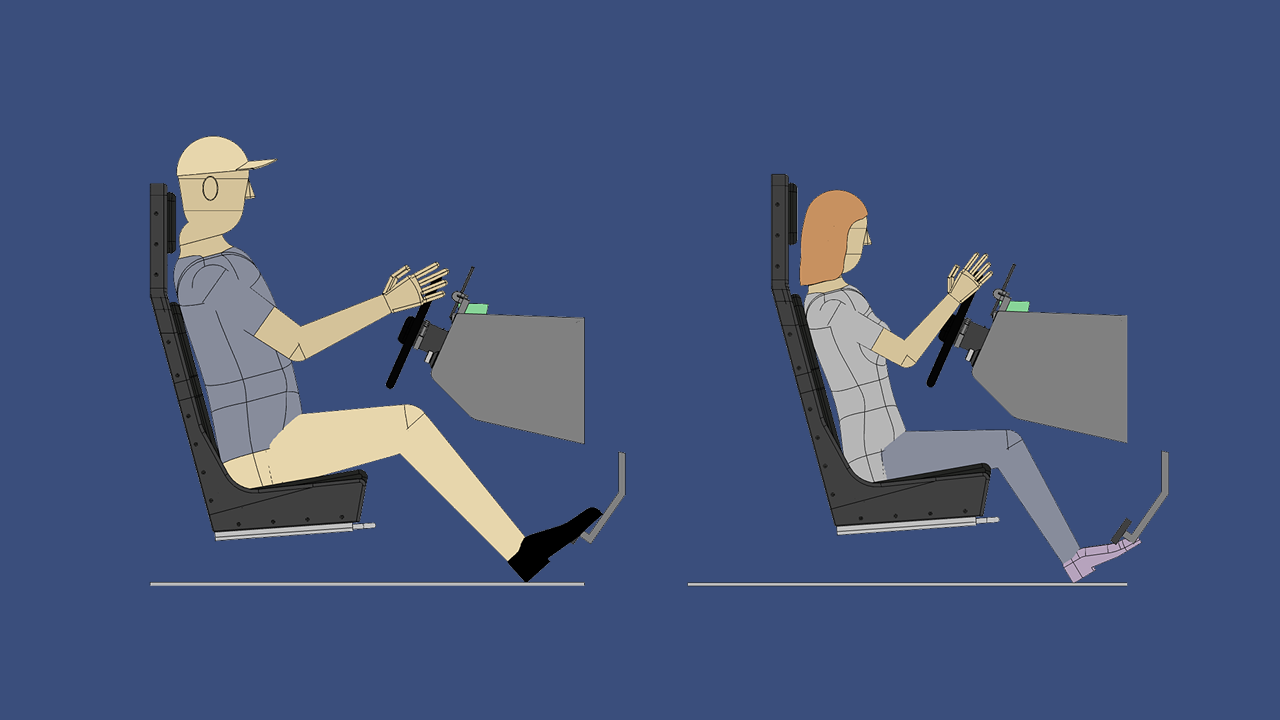
During a university group project, I developed concepts for user-centred elements of a novel quadricycle including the occupant packaging, interior controls, and handling of removable batteries.
Context
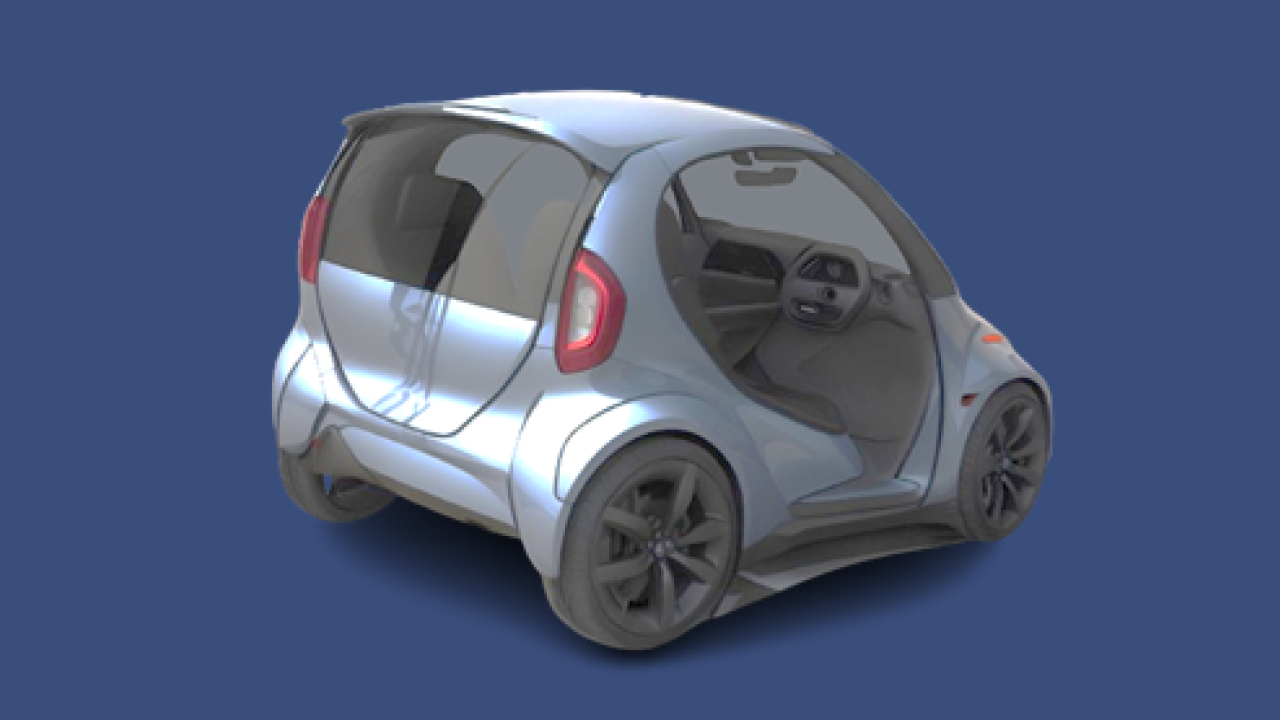
The Kew Little Car Company tasked our team with developing their vision for a lightweight urban quadricycle that would shift the trend away from oversized, unsustainable SUVs. Designed for the L7e electric vehicle class, the concept aimed to deliver affordable, convenient urban mobility at a minimal size and cost.
❗The innovative concept posed challenges for ensuring occupant comfort within a compact footprint and developing a practical removable battery system.
Solution
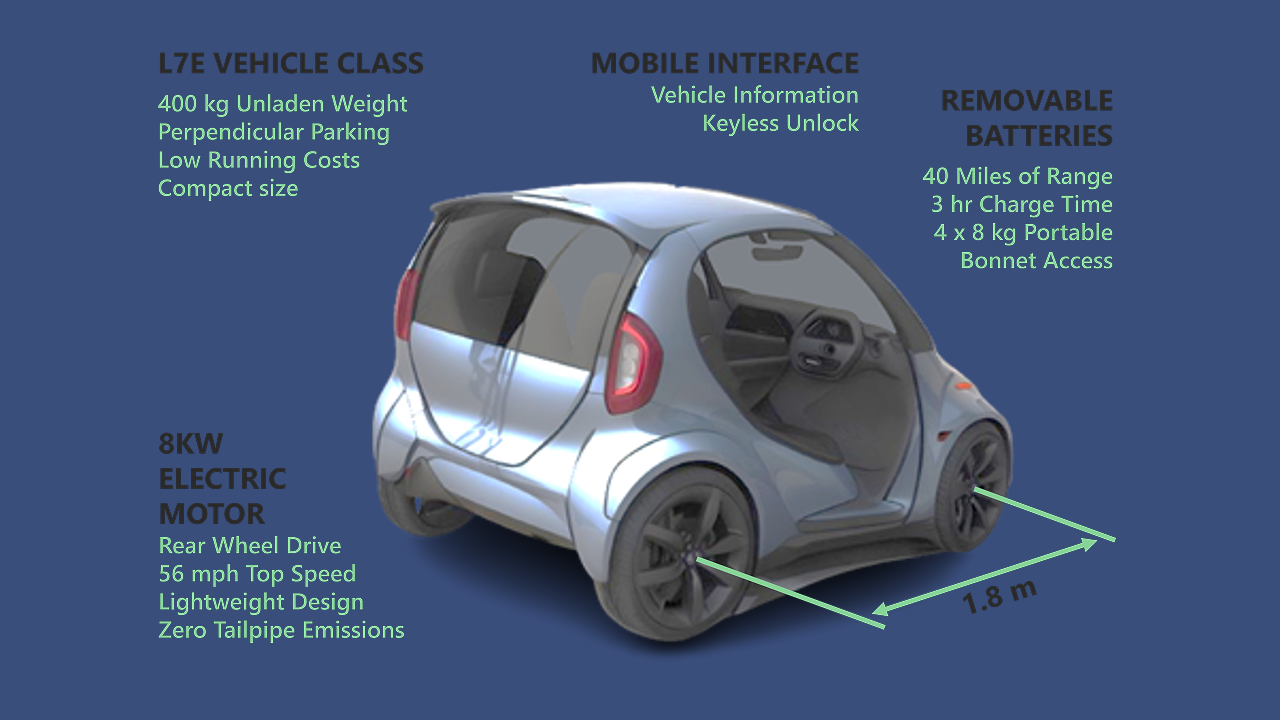
Through regular contact with the company sponsor, and collaborating with other subsystem leads, I developed concept solutions for occupant packaging, interior controls, and the removable battery system. The designs balanced ergonomics, usability, and feasibility within the tight size and cost constraints of an L7e quadricycle.
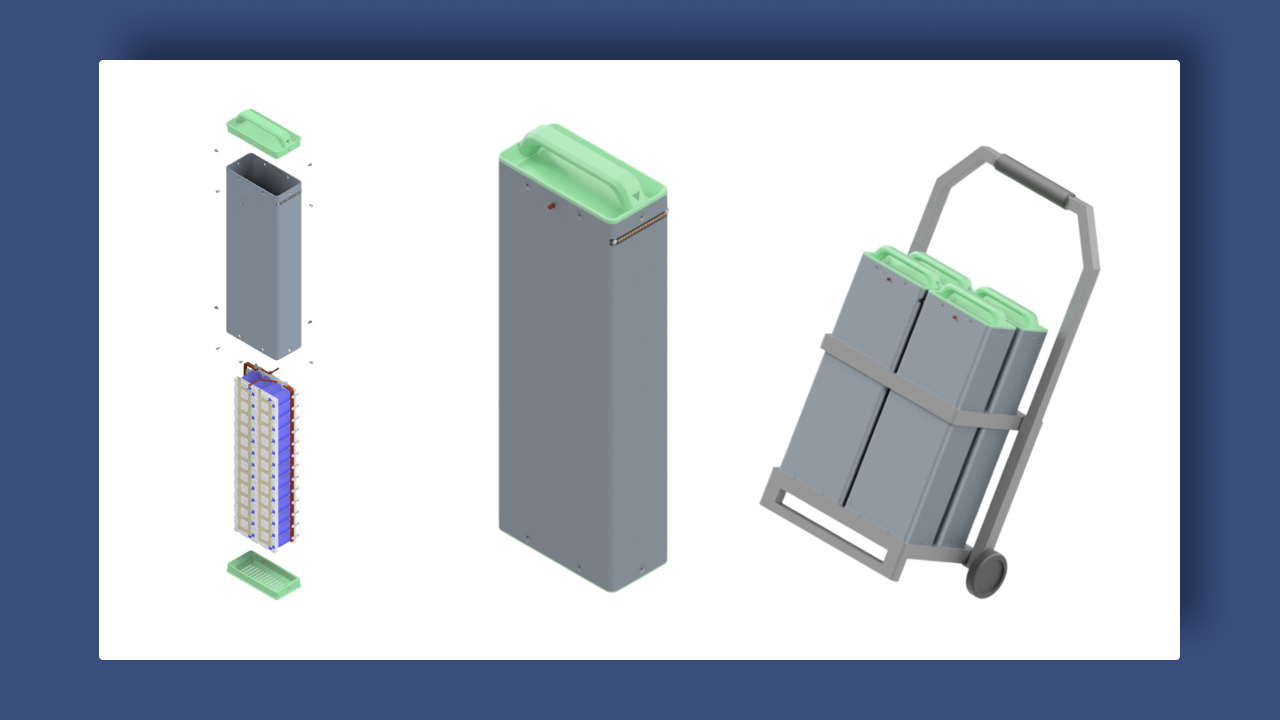
✅ Interior layout optimised to comfortably fit occupants from 5th percentile female to 95th percentile male. Battery placement and casing designed for safe handling, easy removal, and convenient transport.
Process
Because the project was company-sponsored, company directors and our university supervisor were closely involved throughout. Regular stakeholder meetings, along with structured research and ideation activities, ensured the design remained both user-centred and technically feasible. The process combined vehicle benchmarking, persona development, storyboarding, and ergonomic analysis, leading to refined CAD concepts for occupant packaging and battery handling.
Vehicle Benchmarking
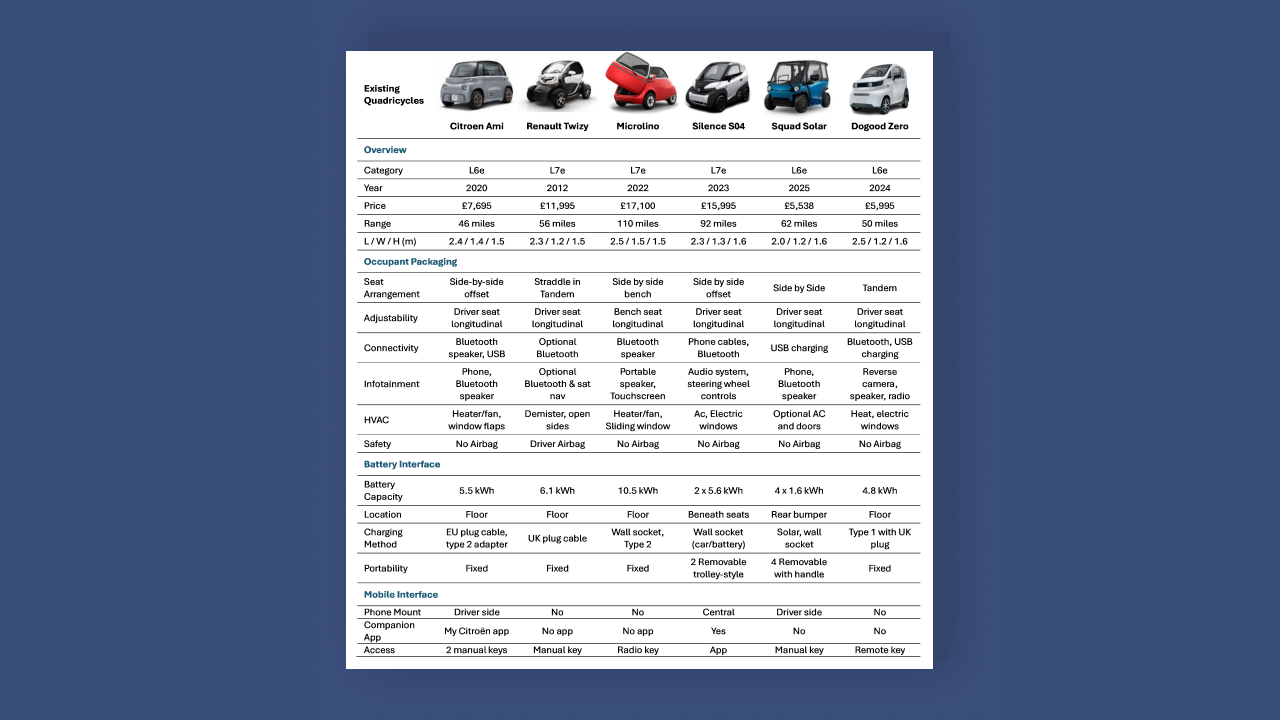
I began by analysing existing quadricycles to understand the current market and identify opportunities. The review focused on human–vehicle interaction features such as seating layouts, control interfaces, and battery integration, which directly informed areas for improvement in our concept.
User Personas
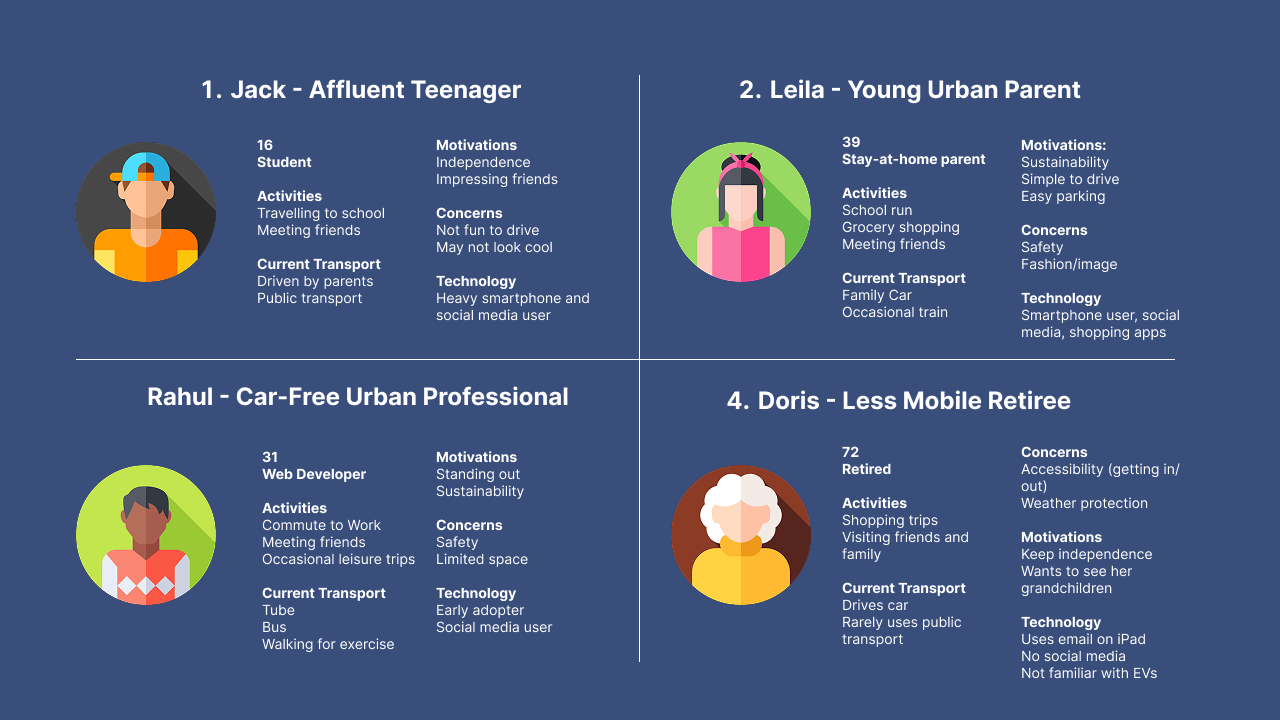
Drawing on insights from the sponsor and government data, I developed four proto-personas representing different urban mobility users. These personas acted as design anchors, keeping decisions tied to real user needs such as affordability, accessibility, and ease of use.
Storyboarding
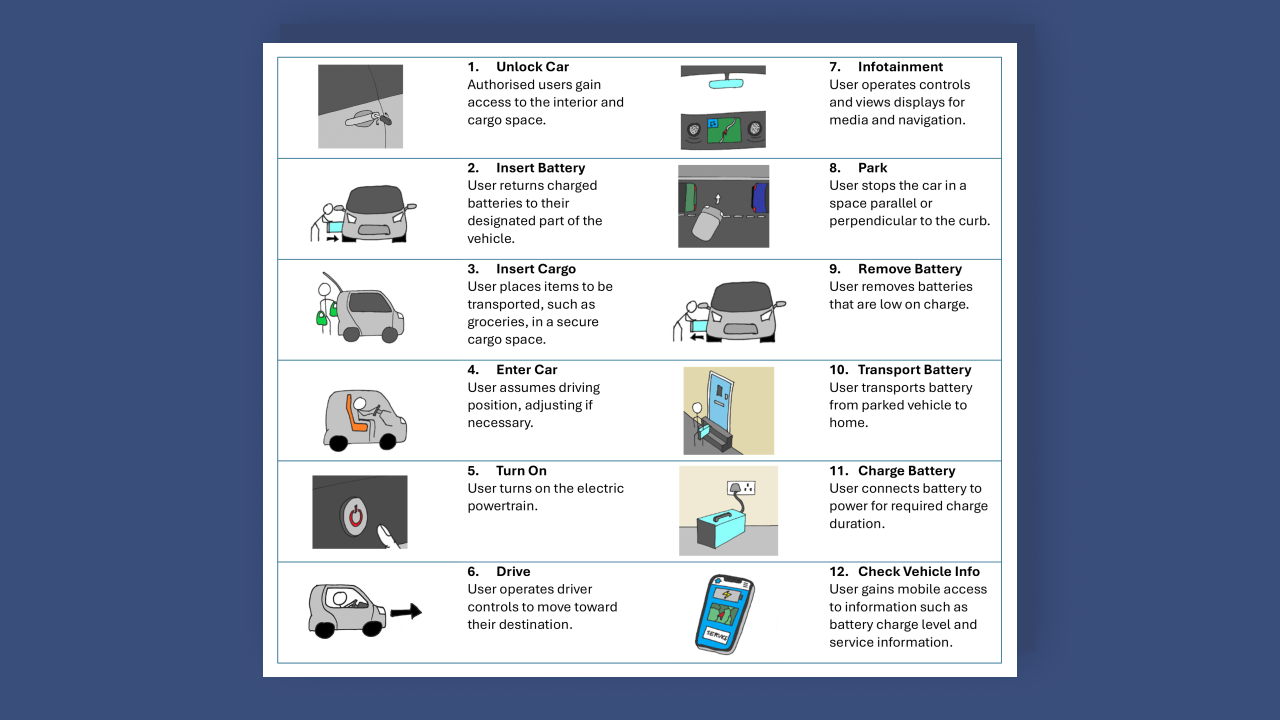
To visualise how users would interact with the vehicle, I mapped key touchpoints in a storyboard - from entering the vehicle to removing the battery for charging. This exercise highlighted two critical focus areas: interior ergonomics and battery handling.
Ergonomic Analysis
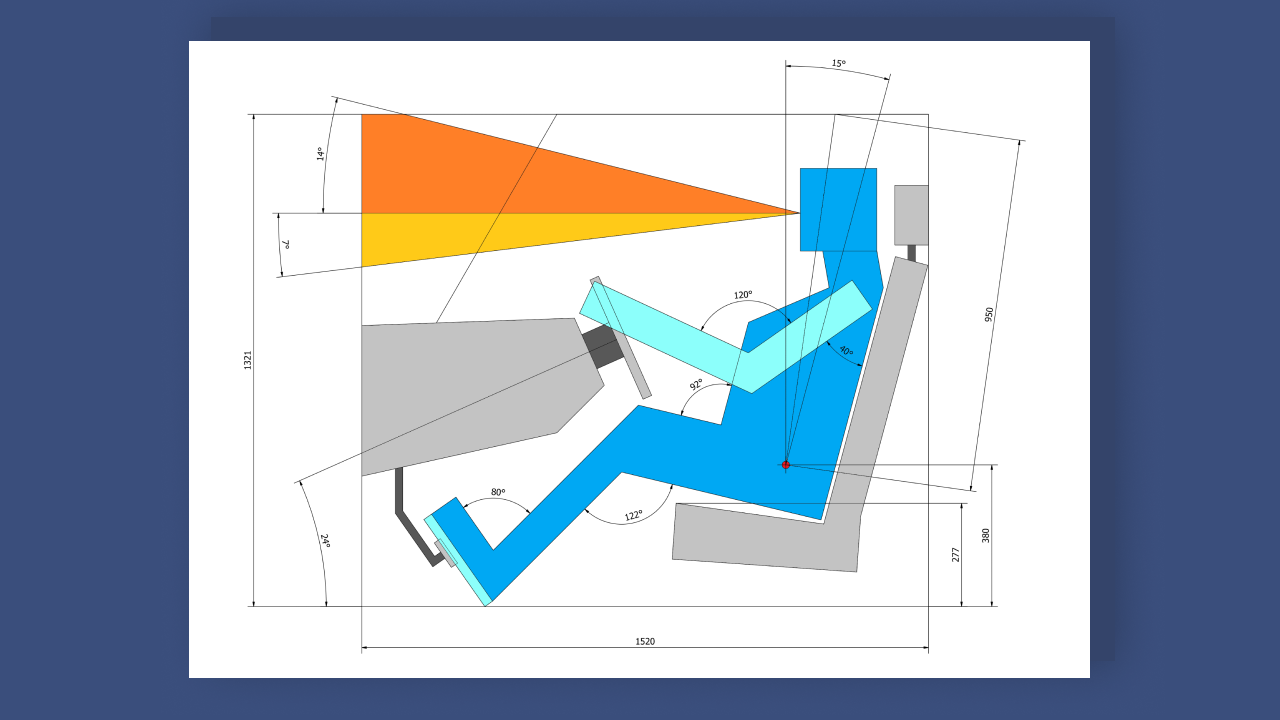
Designing the occupant package required balancing comfort, cost, and weight. Using anthropometric data, I created layouts that accommodated drivers from the 5th percentile female to the 95th percentile male. To simplify the system, the seat offered only forward–backward adjustment, but still achieved compliance with automotive ergonomic guidelines.
CAD Development
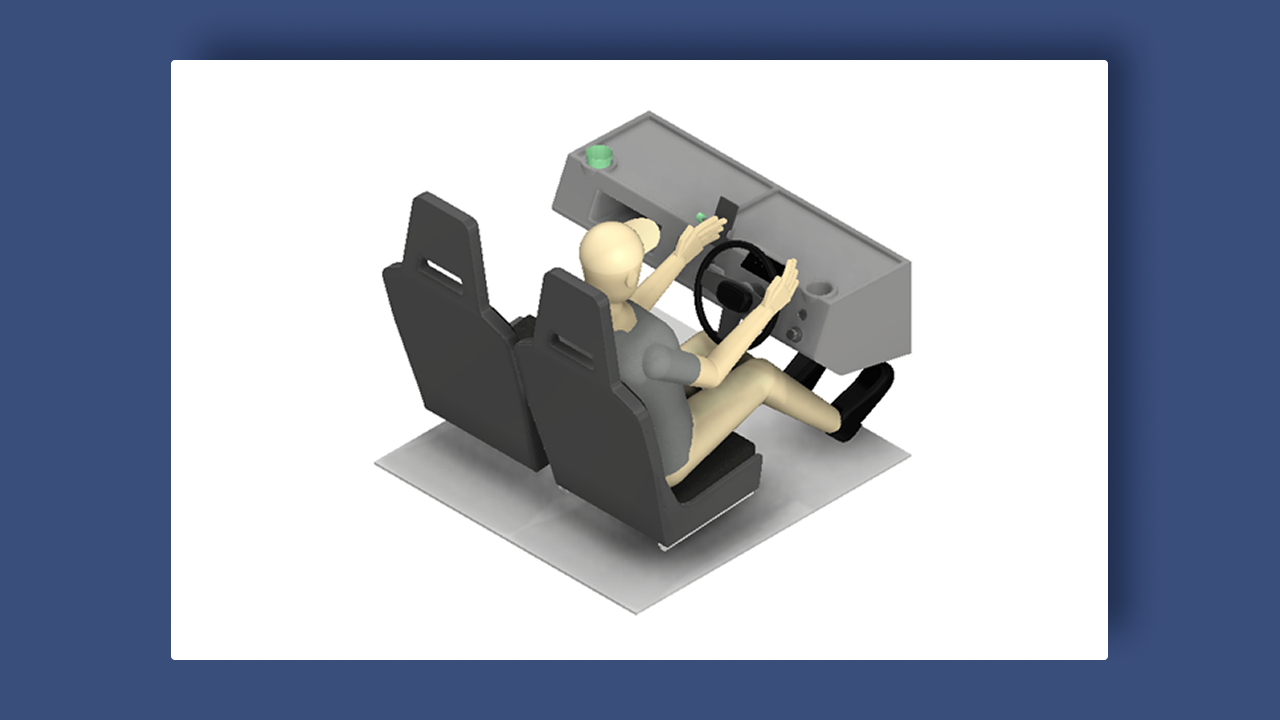
Autodesk Inventor was used throughout to translate research insights into iterative digital models. Adjustable layout drawings supported rapid testing of dimensions, while 3D models allowed me to present clear, visualised concepts of the interior package and battery handling system to both the sponsor and supervisor.