
Accessible Bike Seat
As part of a university human-centred design module, I collaborated with a cycling charity to create a bike seat concept for a disabled rider.
Problem
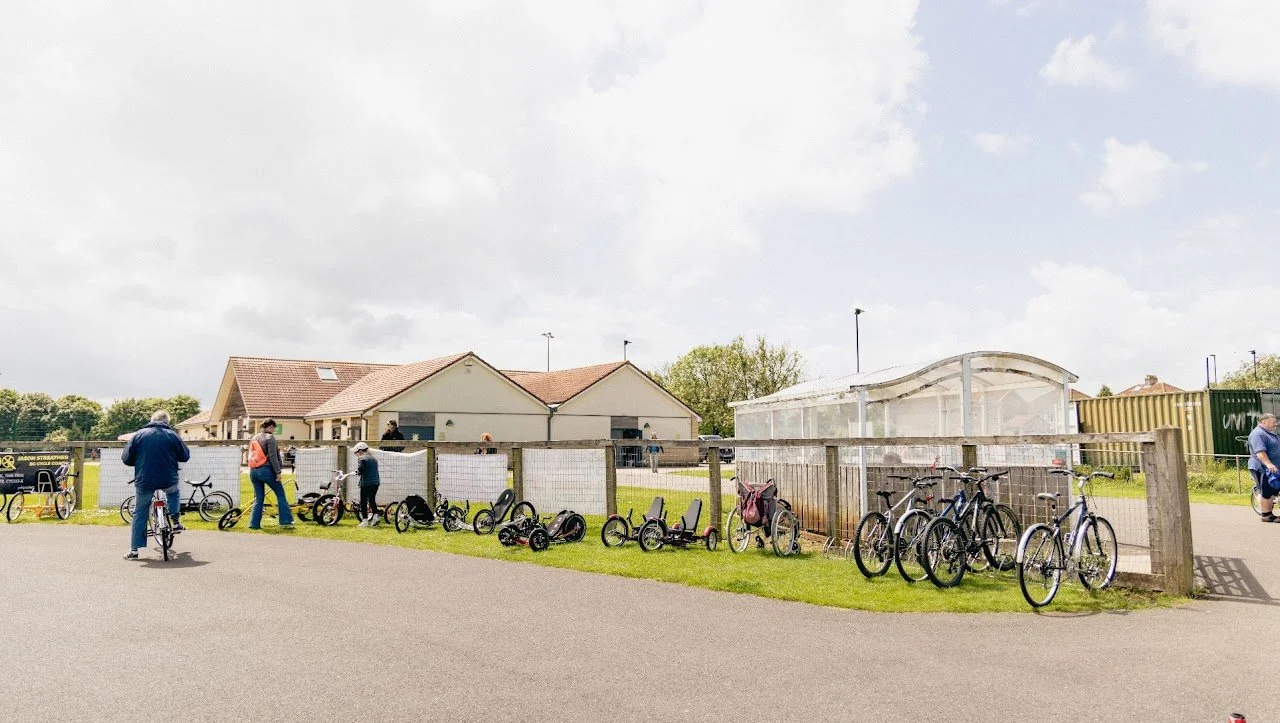
The charity All Cycle Bath & West provides a variety of bikes to make cycling accessible for riders with a wide range of disabilities. However, the standard equipment did not fully address the needs of every rider, particularly in terms of comfort, stability, and accessibility.
❗Some riders still struggled to use the bikes confidently, highlighting the need for tailored adaptations to improve both comfort and usability.
Solution
Working closely with our assigned rider over several sessions, we developed a bike seat concept tailored to their specific needs. The design focused on enhancing both physical and psychological comfort.
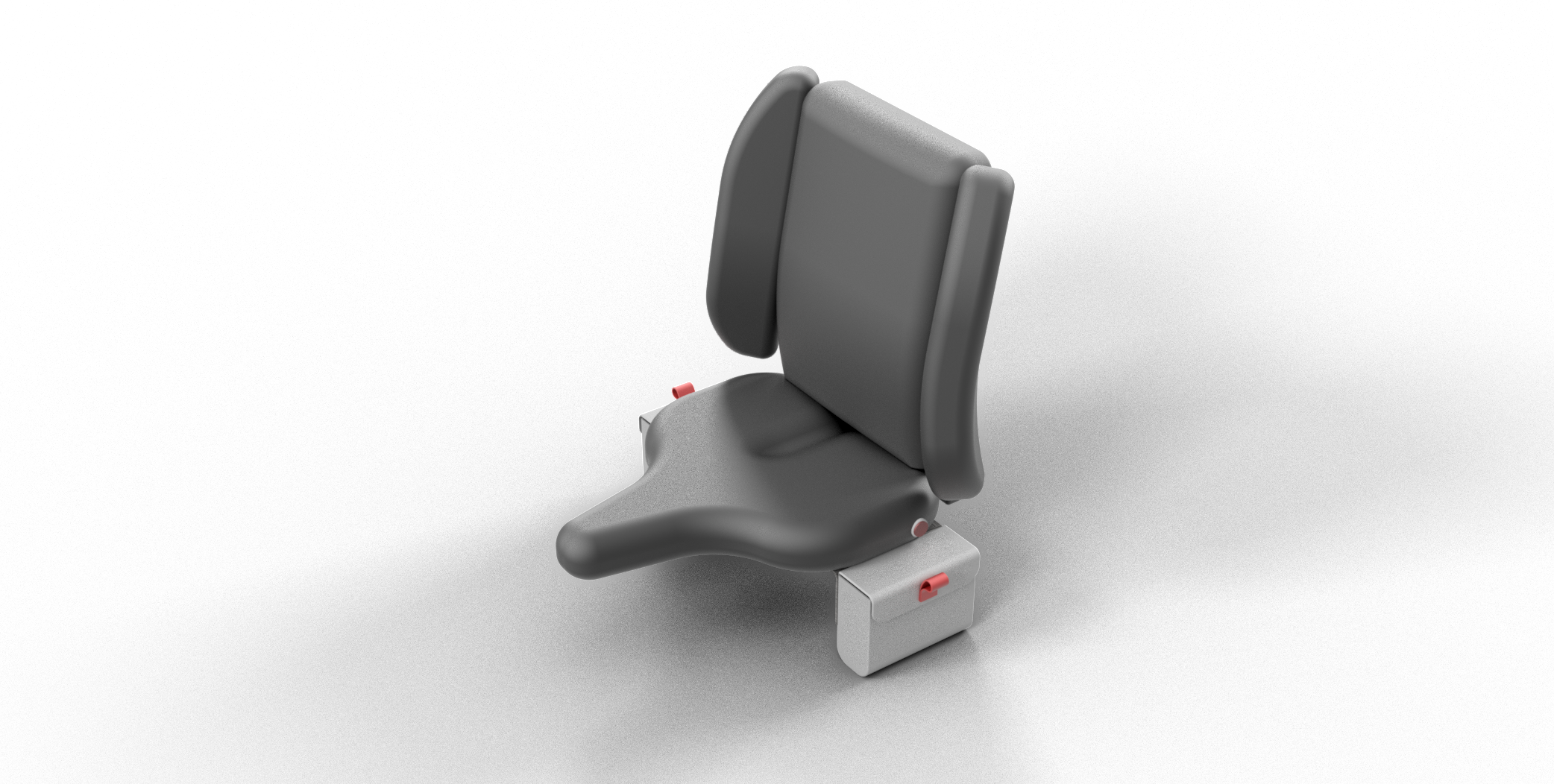
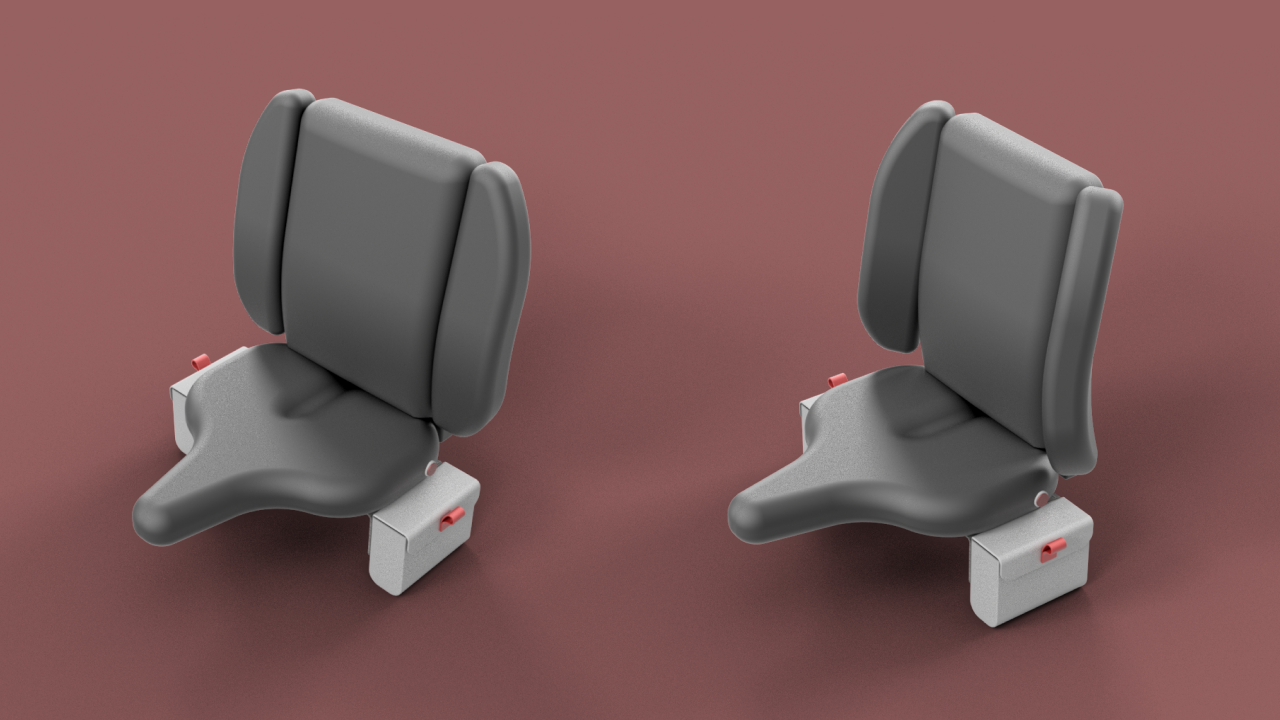
✅ Seat includes added back support and adjustable lateral supports for comfort during rest, and accessible side pockets for essential items such as inhalers.
Process
The project was developed collaboratively in a team of four over a fast-paced three-week period. Our approach centred on three user sessions to uncover pain points, iterate on concepts, and gather feedback.
User Research & Observation
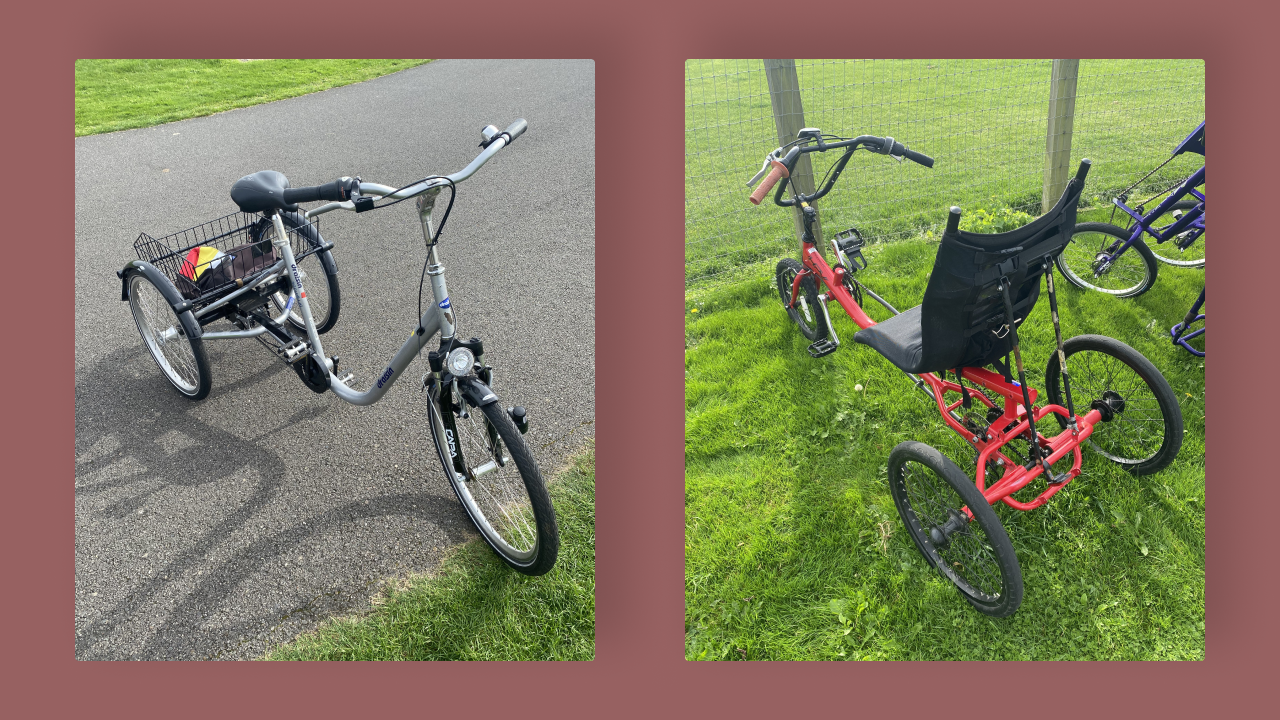
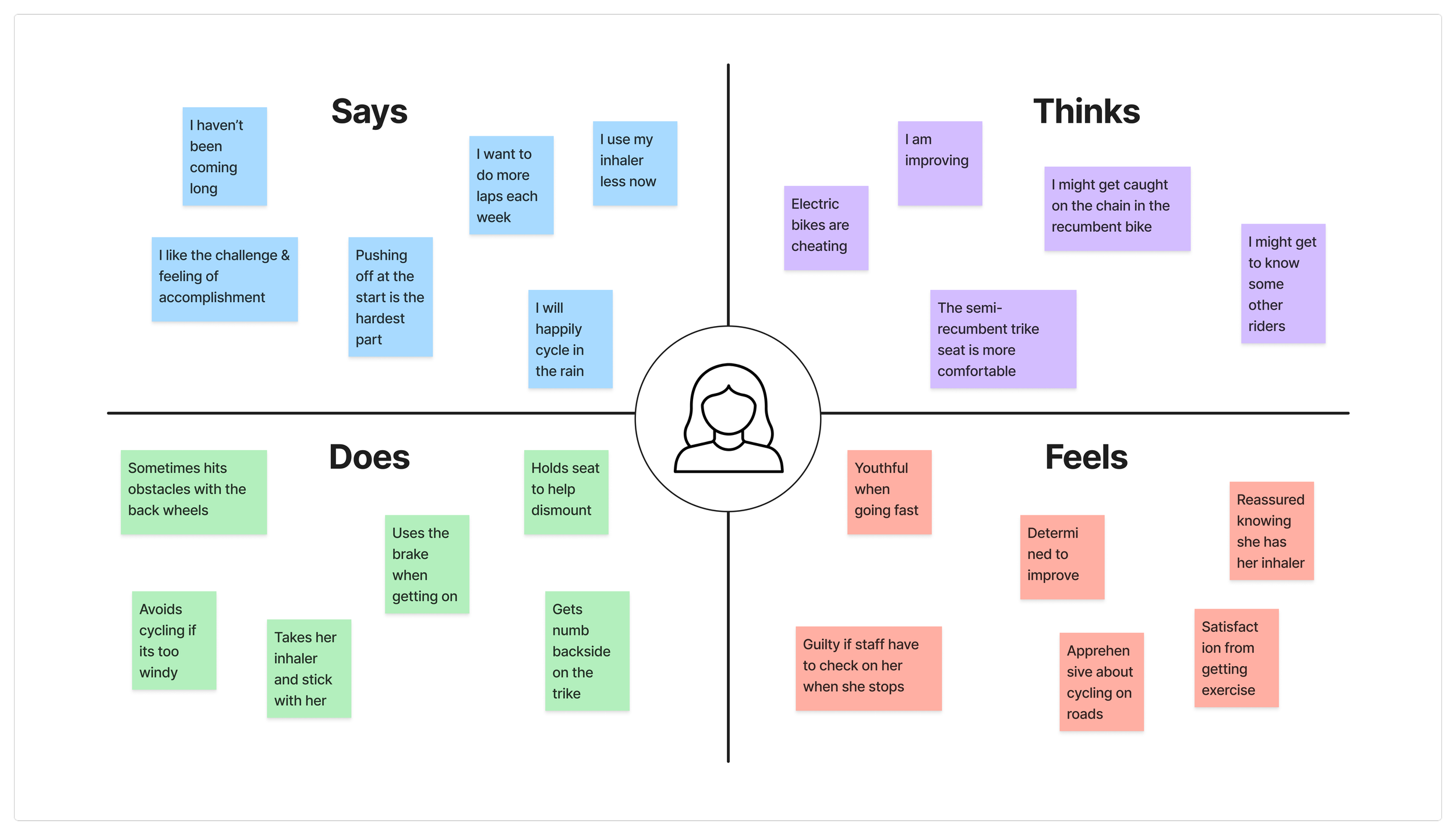
In the first session, I observed our assigned rider using different bikes, asking open questions to understand their challenges and priorities. This process highlighted key pain points and informed the creation of an empathy map.
Empathy Mapping
Using quotes and observations, I captured the rider’s needs, frustrations, and motivations in an empathy map. This provided a foundation for framing design decisions around comfort and independence.
Low-Fidelity Prototyping
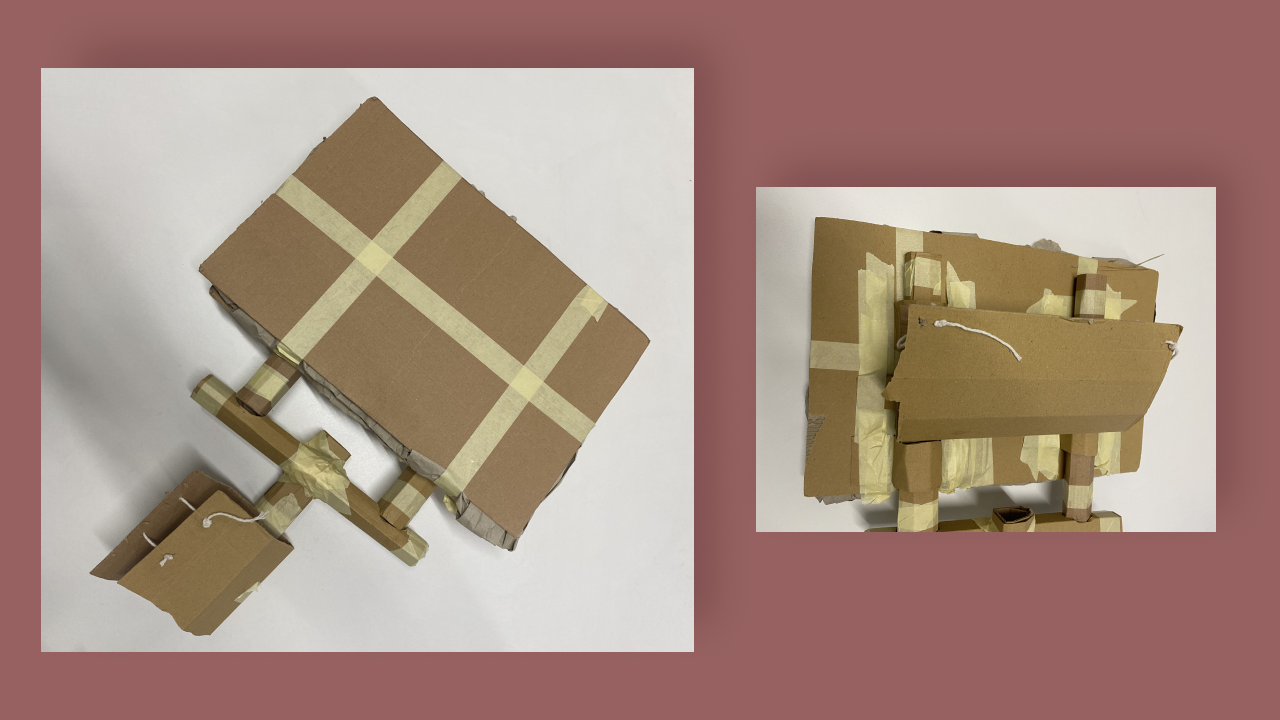
Before the second user session, we created simple cardboard prototypes to quickly explore ideas such as a backrest and an inhaler pocket. These mock-ups made it easier to communicate concepts and gather targeted feedback.
CAD Visualisation
Ahead of the final user review, I developed 3D models and renders. These visuals presented the concept in a realistic form, enabling clearer discussion and validation with both the rider and the charity.